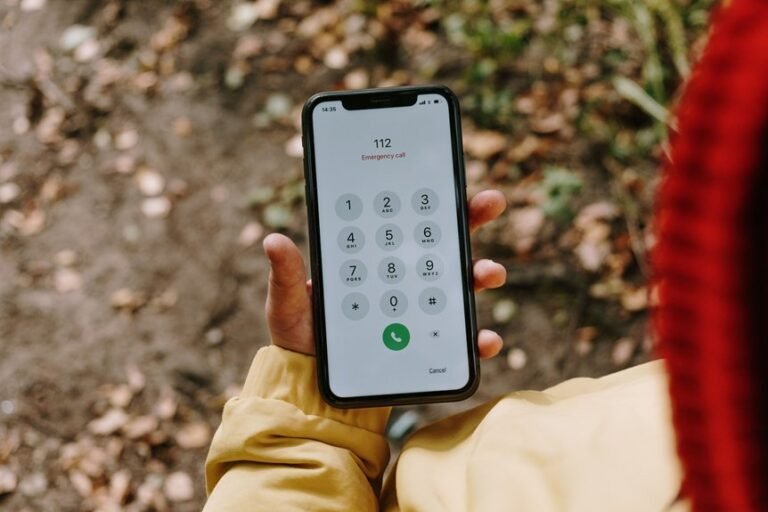
Practical Troubleshooting for 800-568-0344 and Common Problem Areas

Practical troubleshooting for 800-568-0344 and common problem areas emphasizes rapid containment, verification, and non-intrusive diagnostics. The approach centers on confirming the originating source, cross-checking caller ID against provisioning records, and tracing the routing path for potential misroutes. Each step is documented, root causes are identified, and targeted fixes restore policy alignment and log accuracy. The framework also establishes repeatable checks to deter recurrence, leaving a clear path forward for the next phase.
What Typically Goes Wrong With 800-568-0344 and Why
Common issues with 800-568-0344 typically arise from misconfiguration, user error, or changes in network provisioning. The analysis highlights accountability gaps and gaps in caller verification, where controls fail to trace actions or confirm identity. Such failures propagate misroutes, inaccurate logs, and inconsistent policy enforcement, undermining reliability. Systematic checks, documentation, and robust verification steps restore confidence and ensure traceable, responsible call handling.
Quick, Beginner-Friendly Diagnostics You Can Run Now
Quick, beginner-friendly diagnostics can help identify misrouting and verification gaps without heavy tooling. The method isolates symptoms from causes, guiding observers through neutral checks: call origin, caller ID consistency, and basic routing traces. Each step remains concise, repeatable, and non-intrusive.
Unrelated topic, not applicable, yet diagnostic clarity yields freedom to decide next actions confidently. Documentation reinforces repeatability and accountability.
Step-by-Step Fixes for the Most Common Failure Modes
Step-by-step fixes address the most frequent failure modes by prioritizing rapid containment, verification, and restoration.
The procedure uses a diagnostic checklist to identify root causes, categorize urgency, and implement minimal-impact repairs first.
Documentation notes changes for recurrence prevention, enabling traceability.
Each step emphasizes containment, targeted testing, and recording outcomes to reduce downtime while preserving system integrity and user autonomy.
How to Verify Success and Prevent Recurrences
Verification of success and prevention of recurrences follows a disciplined, evidence-driven approach. The section outlines verification success criteria, documenting diagnostic steps and outcomes, and confirming stable operation post-fix.
Recurrence prevention addresses misconfigurations and fixes, corporate policies, and monitoring thresholds. Clear benchmarks guide decisions, sampling data, and repeat trials, ensuring durable results and reducing future incidents through disciplined procedural rigor and auditable evidence.
Frequently Asked Questions
Is 800-568-0344 a Scam Risk or Spoofed Caller?
The answer: is 800 568 0344 a scam risk, spoofed caller? Yes, it can be. How to identify patterns, verify via official channels, and check privacy settings during calls to reduce exposure and risk.
How to IDentify if Caller ID Is Being Spoofed?
Identifying spoofed calls often resembles a lighthouse keeper spotting false signals; metadata checks reveal anomalies. The methodical approach includes caller id verification, scrutinizing timing, call origins, and voice consistency to distinguish legitimate from spoofed calls.
What Privacy Settings Should I Enable During Troubleshooting Calls?
The practitioner should enable privacy best practices: minimize data collection (data minimization), utilize automated routing, enable call recording and logging only when necessary, and enforce robust security protocols during troubleshooting calls to preserve user autonomy and consent.
Can IVR Prompts Indicate Misrouting or System Errors?
Yes, IVR prompts can indicate misrouting or system errors during troubleshooting. The system logs misrouting patterns and errors, guiding technicians to recheck routing rules, queue configurations, and prompt branching for accuracy and stability.
When Should I Contact the Carrier for Line Issues?
Line issues warrant contact timing when anomalies persist beyond routine checks. The independent party should assess persistent degradation, outage, or signaling faults; if unresolved after initial investigation, contact timing shifts to professional carrier support, documenting metrics and timestamps.
Conclusion
In the quiet hum of the network, the trace begins, each hop revealing a hidden misconfiguration. The origin is confirmed, the claimed caller ID weighed against provisioning records, and routing paths mapped with care. A single misrouting can cascade into visibility gaps and policy drift. As logs converge, the truth surfaces: where the fault lies, and how it was introduced. With the root fixed and checks tightened, the systems settle, awaiting the next, unseen anomaly. The pattern hints at accountability—and resilience.